
Sve oblasti – pitajte doktora
Postavite pitanje o simptomima, dijagnozi ili terapiji. Odgovor lekara je potpuno besplatan. Već 96425 pitanja iz svih oblasti.
Da zakažete pregled pozovite 063 687 460
Svi odgovori (96425)

nosite maskukad čistite
nije, dete je vakcinisano
nije opasno, biće da je samo kontaminacija
ostoji savremeno ečenje tabletama mnogo efikasnije od nterferona, skupo je, ali ma i jeftinija generike na tržištu-raspitajte se za velpatasfir+sofosbuvir, indiskle proizvodnje
uretralni bris jepotreban
ne morate da čekate
Bacterial Vaginosis (Gardnerella Vaginitis)
What Is It?
Published: February, 2016
Bacterial vaginosis is the most common cause of abnormal vaginal odor and discharge. It is caused by a change in the type of bacteria found in the vagina. Normally, bacteria belonging mostly to the Lactobacillus family live harmlessly in the vagina and produce chemicals that keep the vagina mildly acidic. In bacterial vaginosis, Lactobacillus bacteria are replaced by other types of bacteria that normally are present in smaller concentrations in the vagina.
Scientists do not fully understand the reason for this change. Risk factors that seem to increase the likelihood of bacterial vaginosis include a history of multiple sex partners, a sexual relationship with a new partner, cigarette smoking, vaginal douching and the use of the intrauterine contraceptive device (IUD). Although most of these risk factors are related to sexual activity, women who have never had vaginal intercourse can also develop bacterial vaginosis.
Bacterial vaginosis often occurs during pregnancy. It may cause premature labor and delivery, premature rupture of membranes, and postpartum uterine infections. This is why pregnant women with a history of premature labor or other complications may be checked for bacterial vaginosis even when they don't have any symptoms.
Symptoms
Up to 50% of women diagnosed with bacterial vaginosis do not have symptoms. In others, it causes an unpleasant "fishy" vaginal odor and a yellow or white vaginal discharge. For some women, these symptoms are especially bothersome during or after intercourse. The discharge seen in bacterial vaginosis tends to be thinner than the "cheesy," thick discharge seen in vaginal yeast (Candida) infections. Bacterial vaginosis usually does not cause significant irritation of the vulva or pain during intercourse. If you have these symptoms, your doctor will check for other possible causes.
Diagnosis
Your doctor will ask you to describe the vaginal odor and discharge. He or she also will ask you about your medical history, including:
-
The date of your last menstrual period
-
The number of sex partners you have
-
Whether you have had any vaginal or urinary tract infections before
-
Whether you have had any sexually transmitted diseases or pelvic infections
-
The method of contraception you use
-
Your pregnancy history
-
Personal hygiene habits, such as douching and your use of feminine deodorants
-
Whether you wear tightly fitting undergarments
-
Whether you use tampons
Your doctor also may ask if you have any other diseases, such as diabetes, or if you have used antibiotics recently.
Your doctor can diagnose bacterial vaginosis based on the results of a gynecological examination and laboratory tests of your vaginal fluid. There is no perfect test, but if you have three of the following four criteria, it is highly likely that you have bacterial vaginosis:
-
White, thin, coating on your vaginal walls during the pelvic exam
-
pH test of vaginal discharge that shows low acidity (pH greater than 4.5)
-
Fishy odor when a sample of vaginal discharge is combined with a drop of potassium hydroxide on a glass slide (the "whiff test")
-
Clue cells (vaginal skin cells that are coated with bacteria) visible on microscopic exam of vaginal fluid
Your doctor may order other laboratory tests to look for other causes of vaginal discharge.
Prevention
Doctors are not exactly sure why bacterial vaginosis develops. Because it occurs more commonly in people who are sexually active, bacterial vaginosis is considered by some to be sexually transmitted. However, bacterial vaginosis also occurs in people who either are not sexually active or have been in long-term relationships with just one person.
In some women, bacterial vaginosis continues to return after treatment. Scientists don't understand why this happens. In some cases, treating the male sex partner or routine use of condoms may help to prevent this, but these interventions don't always help.
Having bacterial vaginosis may make it easier for you to be infected with HIV if your sexual partner has HIV. If you already have HIV, then bacterial vaginosis may increase the chance that you will spread HIV to your sexual partner.
Treatment
For most women, bacterial vaginosis is simply a nuisance. However, women with symptoms of bacterial vaginosis should be treated.
Doctors commonly treat bacterial vaginosis in non-pregnant women with metronidazole or clindamycin. Either can be taken by mouth or applied as a vaginal cream or gel.
Studies show that a seven-day treatment with oral metronidazole or a five-day treatment with metronidazole vaginal gel is equally effective in non-pregnant women. Clindamycin vaginal cream is slightly less effective than either type of metronidazole.
However, the U.S. Centers for Disease Control and Prevention (CDC) recommends that all pregnant women with symptoms be treated with oral medications because the medications are safe and work better than vaginal creams or gels.
Some women should be screened for bacterial vaginosis even if they don't have symptoms. Many experts recommend that pregnant women who are at high risk of preterm labor and delivery should be tested for bacterial vaginosis and treated if it is detected.
Some physicians also recommend that women undergoing certain gynecological procedures be tested for bacterial vaginosis, and treated even if symptoms are not present. This is because bacterial vaginosis has been associated with the development of pelvic inflammatory disease and other infections after endometrial biopsy, surgical abortion, hysterectomy, intrauterine device placement, Caesarean section and uterine curettage.
Doctors do not recommend routine treatment for the male sex partners of women who have bacterial vaginosis.
When To Call A Professional
vite seu hepatološku ambulantu, bićete propisno lečeni
javite se u hepatološku ambulantu Inf. klinke, bićete propisno lečeni i savetovani
mesec dana plus minus nekoliko dana

Poštovanje,
Prvi savet je da odmah prestanete sa upotrebom Brufena. Uopšte nije preporučljivo da se koristi u toliko dugom periodu. Ima mnogo tetiva u podlaktici. Da li pričamo o onim tetivama koje pripajaju mišiće na zglob lakta ili ručnom zglobu?
Što se tiče upale preporučujem antinflmatorne gelove koji deluju na vezivno tkivo, i možda neće puno pomoći, ali neće ni odmoći upotreba goveđeg želatina ili bone broth, kao i kolagena.
Upala već dugo traje, nije opisano na koje pokrete se oseća bol, kog je intenziteta, da li boli u stanju mirovanja?
Za uspešno lečenje neophodna je precizna dijagnoza. Pa bez dijagnoze ne mogu da preporučim nikakve konkretne radikalnije mere, sem ovoga što sam već rekao.
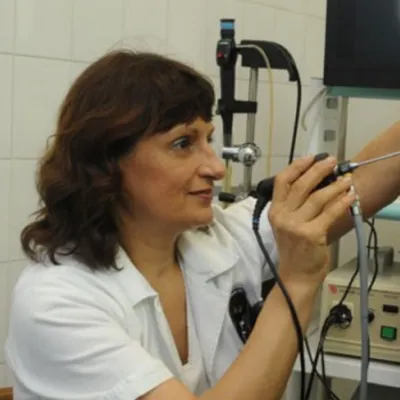
Otok je još uvek izražen. Za brže smanjenje otoka uzmite Serrapeptase tbl /health aid/ 2 × 1 tabletu pola sata pre obroka i Aqua maris izotonični sprej za ispiranje nosa - više puta u toku dana.
pitanje
Poštovani, nedavno sam uradio magnetnu rezonancu glave jer sam imao nepodnošljive glavobolje, zapušene uši i izraženu limfnu žlezdu ispred levog i desnog uha, u nastavku je izvestaj molim Vas za pomoć i da li je moguće da problem koje imam sa ušima (zapušene uši) i glavoboljom mogu biti od sinusa Mucocoela sinus maxillaris dex. 15mm et sin. 11mm. Hyperlasio mucosae sinus maxillaris, ethmoidalis et mucosae conchi nasals dex. DSn ulevo. Sve ostalo sa izveštaja je odlično. Hvala unapred
Poštovani, bez pregleda mogu samo da Vam kažem da opisane promene sinusa nisu u direktnoj vezi sa problemom.
Uzroci problema su u nosu najverovatnije je to devijacija i stanje sluzokože. Za precizan odgovor je potreban uvid u endoskopsko stanje Vašeg nosa.
Pre pet godina sam radila povećanje usana bipolimerom. Usne su urađene dobro,

Poštovana,
Moguća je korekcija usana, ali je neophodno da dođete na pregled i konsultaciju.
Srdačan pozdrav,
Mr sci med Dragana Petrović-Popović
Ocu su radili laboratorijsku analizu i rezultat je borrelia burgdorferi antitela, igm
Poštovana,
Idite kod infektologa sa ocem.
Pozdrav
Poštovani,
Verujem da su u pitanju kondilomi. Ima leka, javite se lekaru.
Imala sam pre skoro 2 godine prvo seksualno iskustvo. Puno sam krvarila.
Poštovana,
Nije moguće da ste zaraženi HIV-om.
Pozdrav,